The American West has always inspired imaginations worldwide with tales of outlaws, gold rushes, and rugged pioneers, though many of these stories stretch the truth — or simply aren’t true at all! Like most legends, our idea of the Old West has been glamorized over time, turning into classic myths that continue to shape our concept of life out West. Today, we’ll saddle up to debunk these popular myths about cowboys and the American frontier, so you can be the ultimate mythbuster at your next campfire storytelling session.
Quick Answer: What are common Old West myths?
Common Old West myths include beliefs that all cowboys wore cowboy hats, carried guns, and were white Americans. In reality, cowboys wore bowler hats, most never owned firearms, and the West was remarkably diverse with 25% African American and a third Mexican vaquero cowboys. The Wild West era lasted only 30 years (1865-1890), not generations.
The Real West at a Glance:
- The “Wild West” era lasted only 30 years (1865-1890)
- 25% of cowboys were African American after the Civil War
- Most cowboys never owned a gun
- The first American gold rush was in North Carolina, not California
- Bowler hats outsold cowboy hats until Western films made Stetsons iconic
- Most Western towns had strict gun control laws
Myth 1: Cowboys Always Wore Cowboy Hats
The Truth:
The cowboy hat might be an iconic symbol of the West today, but it wasn’t always standard cowboy attire. In the early days, cowboys often wore bowler hats or even Civil War-era military caps. The bowler hat was peak fashion, especially among educated and classy folks like the famous outlaw Butch Cassidy. Top hats and similar headpieces dominated the cities, and for folks spending lots of time on the range, the practicality of their headwear was most important.
John B. Stetson introduced the “Boss of the Plains” hat to meet the demands of the dusty and hot frontier. The Boss of the Plains featured a bowler-like, rounded top with an extremely wide brim. This was the most common cowboy hat of the era – even though it doesn’t look much like a cowboy hat as we know it today.
The cowboy hat as we know it gained popularity in the late 19th century when Stetson’s designs became widely available. But modern cowboy hats, also designed by Stetson, would achieve their true popularity through depictions in Western films and rodeos. Before that, practicality and the fashion trends of the time dictated headwear choices, and wide-brimmed hats didn’t always make the cut.
Dress to Impress: Western Fashion Tips
Myth 2: Every Cowboy Carried a Gun
The Truth:
The idea of every cowboy wearing a six-shooter at their hip is largely a Hollywood embellishment. Most cowboys were ranch hands, not gunfighters, and guns weren’t usually necessary (or affordable) for their day-to-day work. Guns were heavy (and frequently unreliable) and carrying one was inconvenient for those working with cattle. When cowboys did carry firearms, it was usually for specific purposes, like hunting or protecting their herd from predators.
But here’s a detail that might surprise you: even when cowboys or gunslingers did own revolvers, they usually only loaded their six-shot revolvers with five rounds. This was due to the design of the weapon and its dangerously simple firing mechanism.
“Single action” revolvers work by cocking a hammer and pulling a trigger to release that hammer. The hammer hits the striking pin on the cartridge, and the force causes the bullet to fire. The problem? Well, when the gun wasn’t in use, the hammer was still resting on the firing pin, and that meant bumping into the bar could blow a hole in a cowboy’s leg. Safety mechanisms prevent this in modern revolvers, but back in the day the best solution was to have an empty chamber beneath the hammer.
Myth 3: Gold Was Just Waiting to Be Picked Up
The Truth:
“The Golden State” is where the first major gold rush in the United States occurred, right? Wrong! Despite the 1848–1855 California Gold Rush being the largest mass migration event in U.S. history (with roughly 300,000 people heading to California in the hopes of striking it rich), it wasn’t the first major migration of miners in America—it wasn’t even the second!
Fifty years prior to the discovery of gold at Sutter’s Mill in Coloma, California, a man named Conrad Reed discovered a peculiar, 17 lb glittering rock in Cabarrus County, North Carolina. Reed and his father (on whose land the nugget was found) used the 17 lb hunk of gold for a doorstop, until a passing jeweler revealed the truth to them and ignited America’s first gold rush.
The second gold rush – started in 1829 in Lumpkin County, Georgia – vastly overshadowed the Carolina rush, and would itself be overshadowed by the wild riches later found in California.
But even in California, the Gold Rush sparked dreams of instant wealth while the reality was far less glamorous. By the time most prospectors arrived, much of the easily accessible gold was already claimed. The real fortune often went to businesses supplying miners or buying up claims, and the work of prospectors was grueling and mostly unrewarding. Many hopeful miners left empty-handed or with a fraction of the riches they imagined.
Related: Hitch Up Your Desert Canary and Brush-Up on Some Cowboy Slang

Myth 4: Cowboys Were All White Americans
The Truth:
The West was a diverse place with cowboys from a wide swath of backgrounds. Following the Civil War, about a quarter of cowboys were African American, seeking opportunity and independence in the Western territories where they could earn wages and respect for their skills.
By the late 19th century, a third were Mexican vaqueros, who originally taught the skills and techniques that American cowboys used. The very words we associate with cowboy culture come from these vaqueros: “rodeo,” “lasso,” “stampede,” and “ranch” all have Spanish origins. These skilled horsemen were the original cowboys, and their techniques became the foundation of American ranching.
Indigenous and Chinese cowboys also contributed to ranching and livestock work, creating a tapestry of cultures that ultimately defined the American West. This diversity makes the real history of the frontier far richer and more interesting than Hollywood’s narrow portrayal suggests.
Related: Put Your Knowledge of the West to the Test with Cowboy Trivia
Myth 5: Western Towns Were Lawless
The Truth:
While a few towns gained infamy for their lawlessness, most Western towns had numerous laws and standard bodies of law enforcement. Peacekeeping was mostly structured and well-organized, with sheriffs or marshals and deputies who kept the peace.
Here’s what might surprise you most: while gunfights did happen, they were rare, and towns often had strict rules about carrying firearms within city limits. Dodge City, Deadwood, and even wild Tombstone all required visitors to check their guns when entering town. Law-abiding citizens prioritized safety and order because they were building communities for families and businesses, not havens for outlaws.
The “lawless West” reputation largely comes from sensationalized dime novels and early films that exaggerated isolated incidents of violence. Most frontier towns established laws and governance structures within months of founding—they needed order to attract the settlers, merchants, and families who would build lasting communities.
Myth 6: Horses Were Always the Main Form of Travel
The Truth:
Horses were indeed essential, but they weren’t the only way people got around. By the late 1800s, railroads had transformed travel, connecting even the most remote Western areas. The iconic image of a cowboy on horseback endured in popular culture, but railroads were the real backbone of Western expansion and travel for both major commerce and the average person.
Trains were faster, more comfortable, and could carry far more cargo than any horse or wagon. They opened up the West to settlement, brought supplies to growing towns, and connected isolated communities to the rest of the nation. While cowboys still rode horses for ranch work, most people traveling long distances across the West did so by rail.
Learn to Ride a Horse Like a Real Cowboy
Myth 7: The West Was Always Wild
The Truth:
The so-called “Wild West” era lasted only about 30 years, from the end of the Civil War in 1865 to the closing of the frontier in 1890. By the turn of the century, most of the West was well-established, with towns, railroads, and schools, and law enforcement maintaining order.
The dramatic stories we know today often come from dime novels and silent films that turned a brief period of history into a timeless legend — a legend which shaped America in its own way. These stories captured the imagination of readers and audiences, creating mythology that became as influential as the actual history.
But here’s something that’s no myth: the traditions and spirit of the West aren’t confined to those 30 years. They’re alive and thriving today.
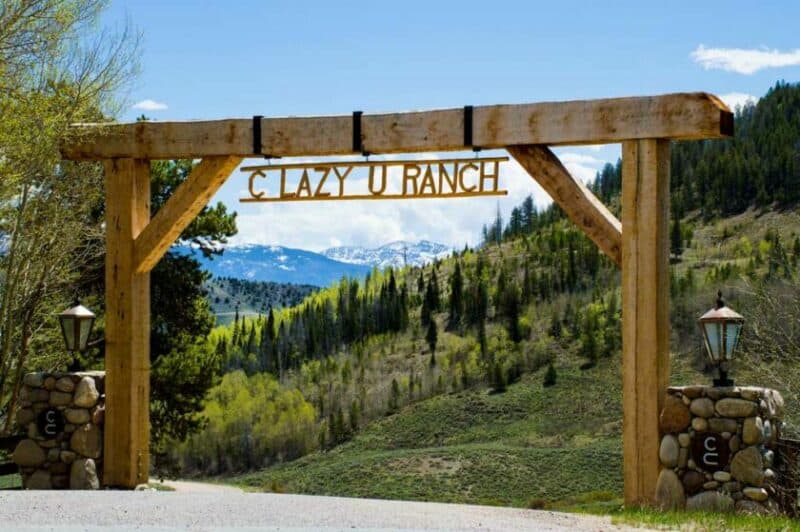
No Myth: The West Lives On at C Lazy U Ranch
Ours is an age of fast-paced commerce, AI innovation, and always-online computer connectivity. Safe to say the American West and its storied customs are dead and gone… right?
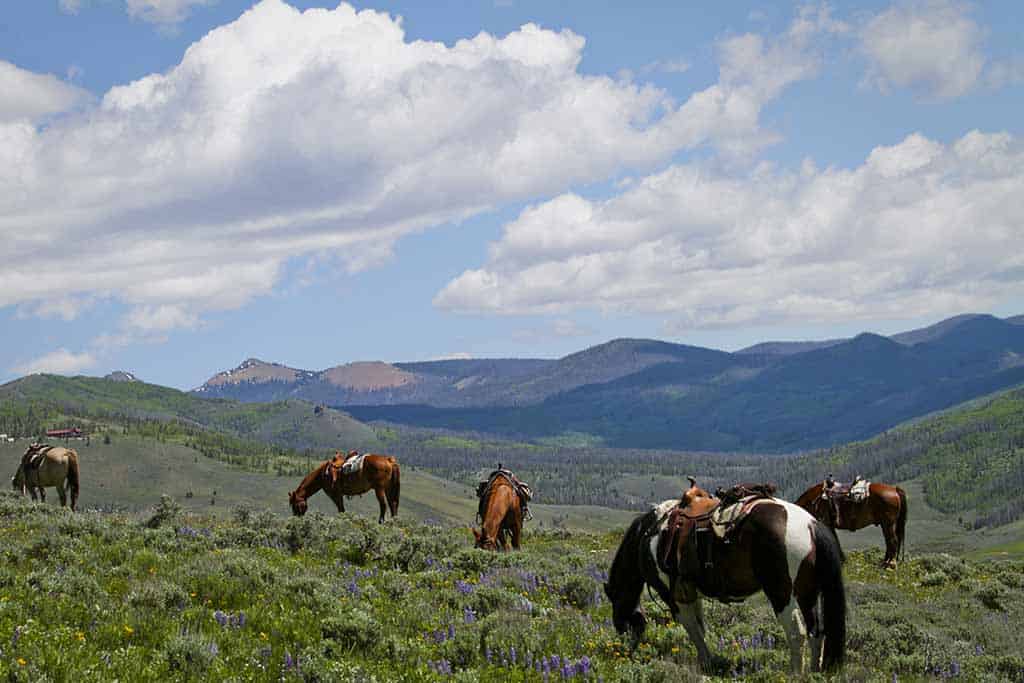
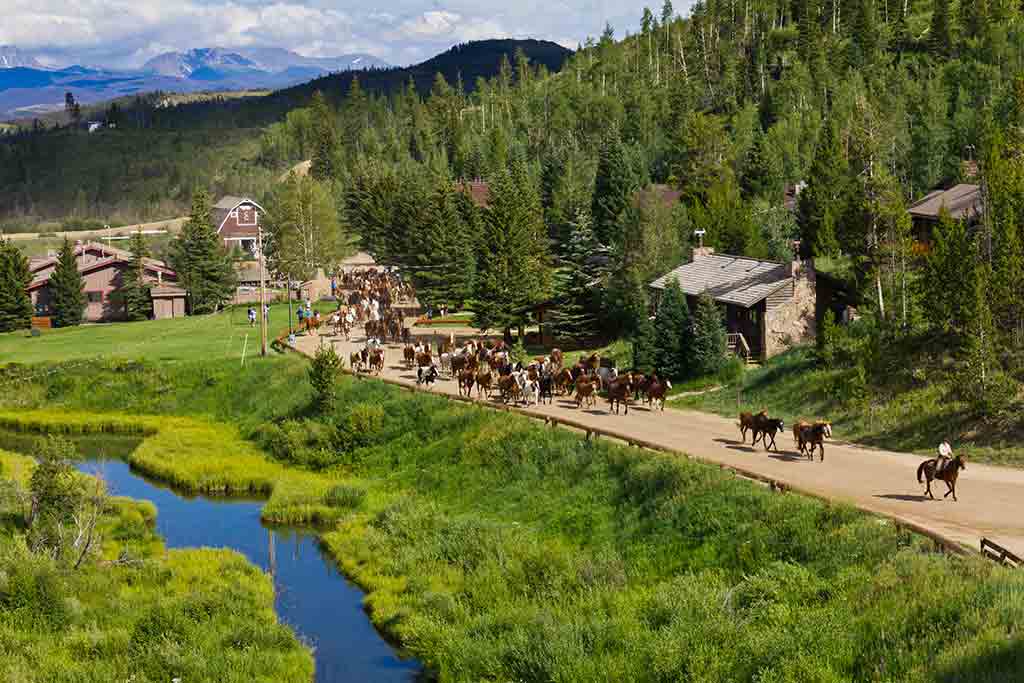
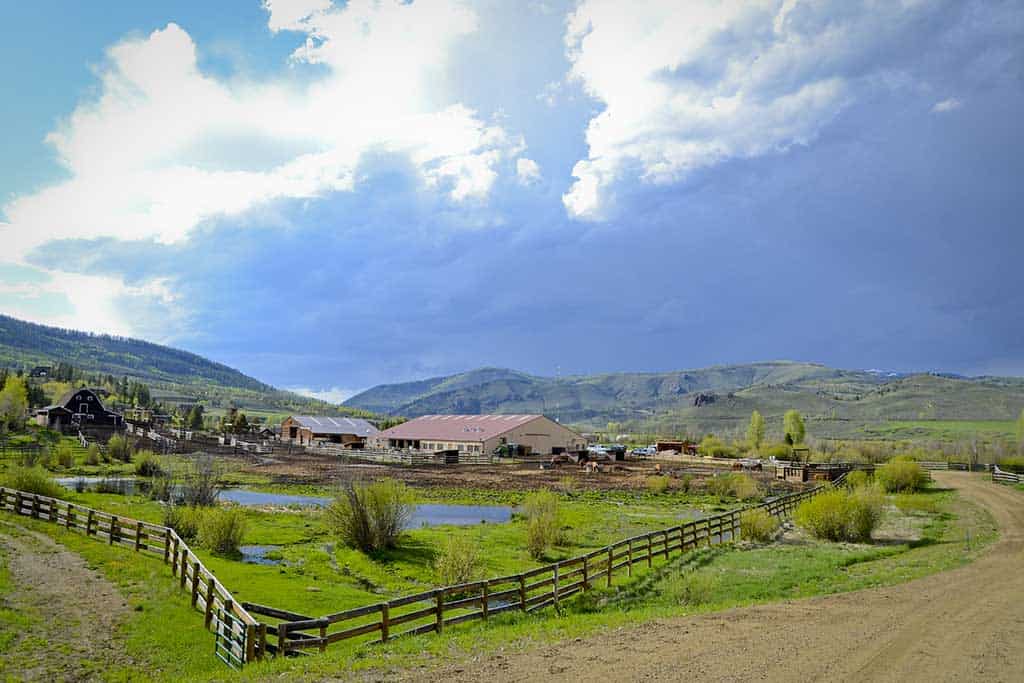
At C Lazy U – the inclusive guest resort and working dude ranch that’s been operating for over a century – we know the traditions of the West are alive and better than ever. Nestled in the historic Colorado Rocky Mountains, C Lazy U in Granby, Colorado is the perfect place to connect with nature, yourself, and the sweeping spirit of the American West.
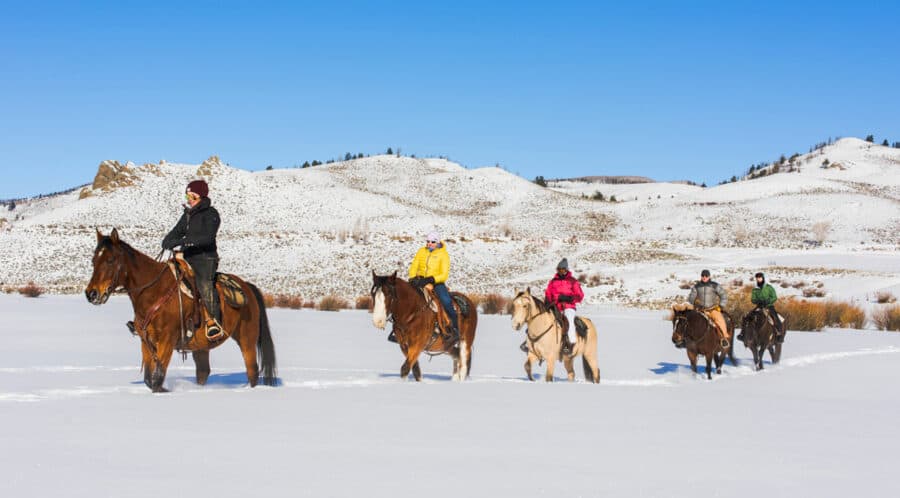
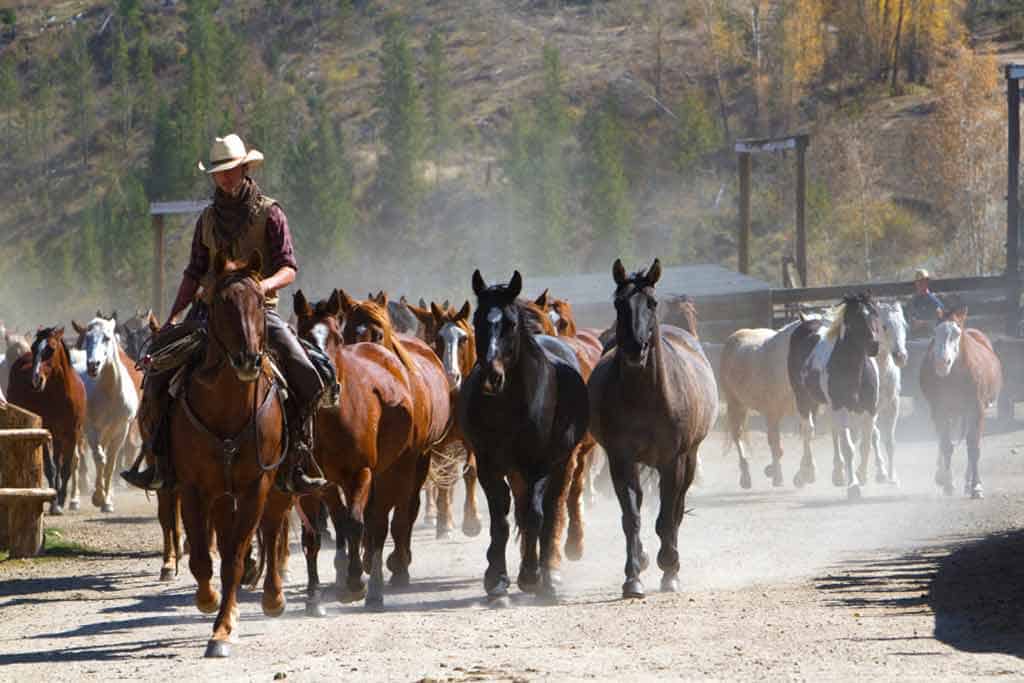
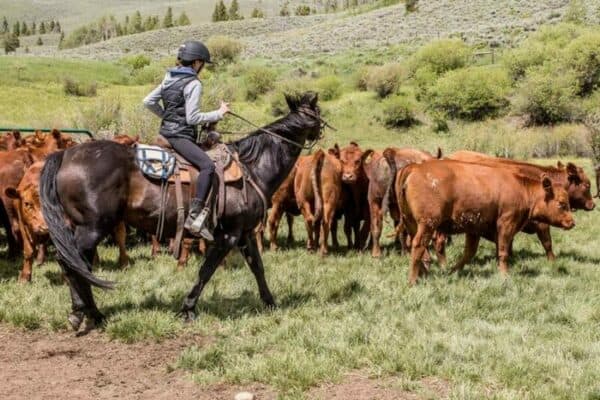
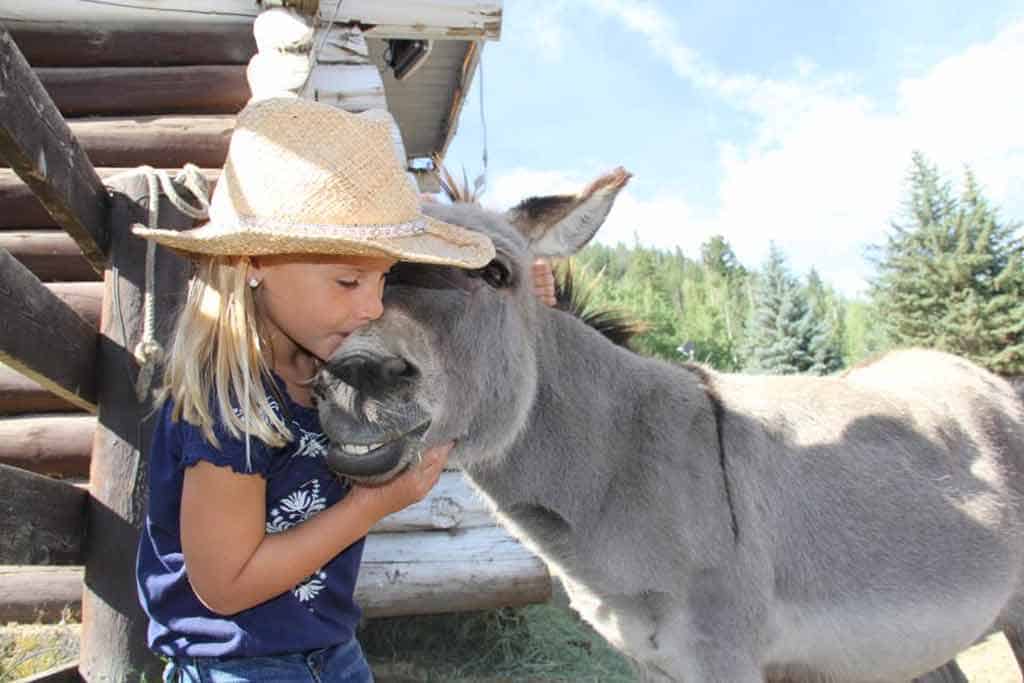
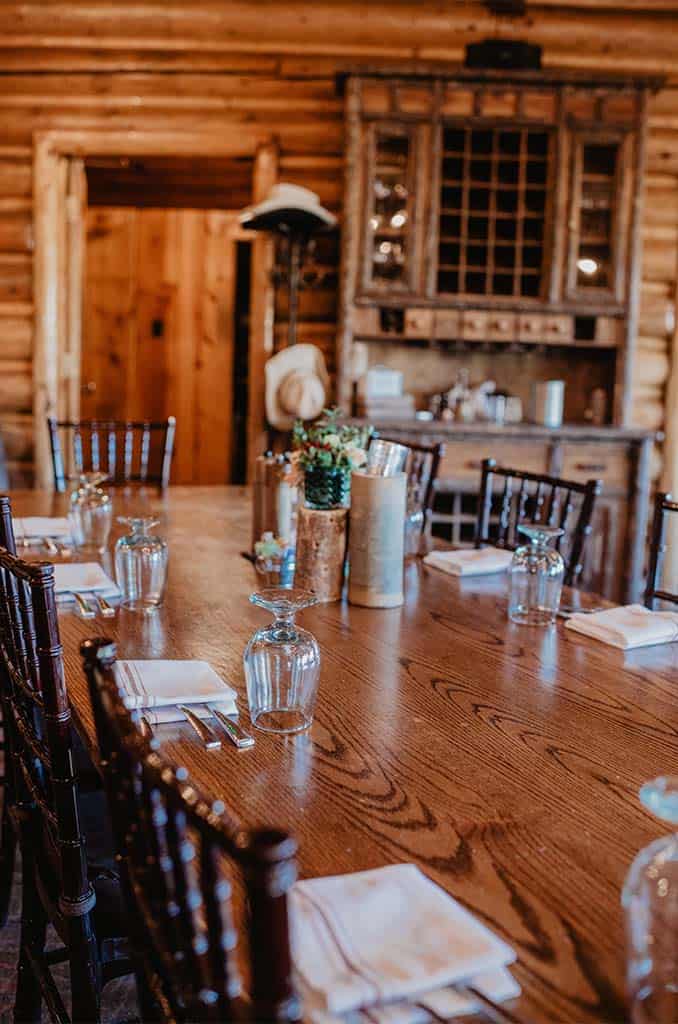
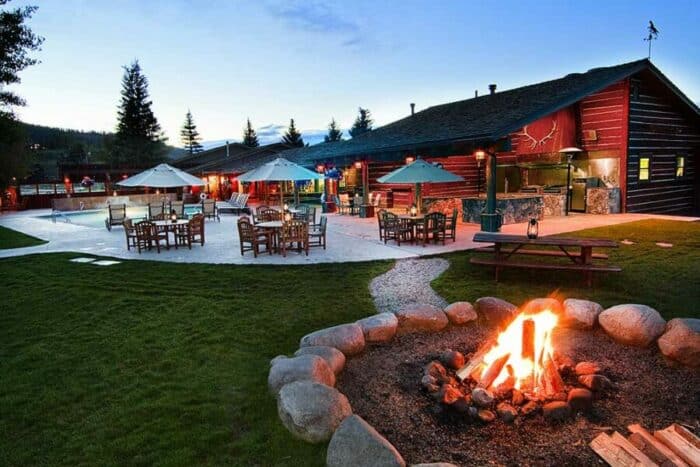
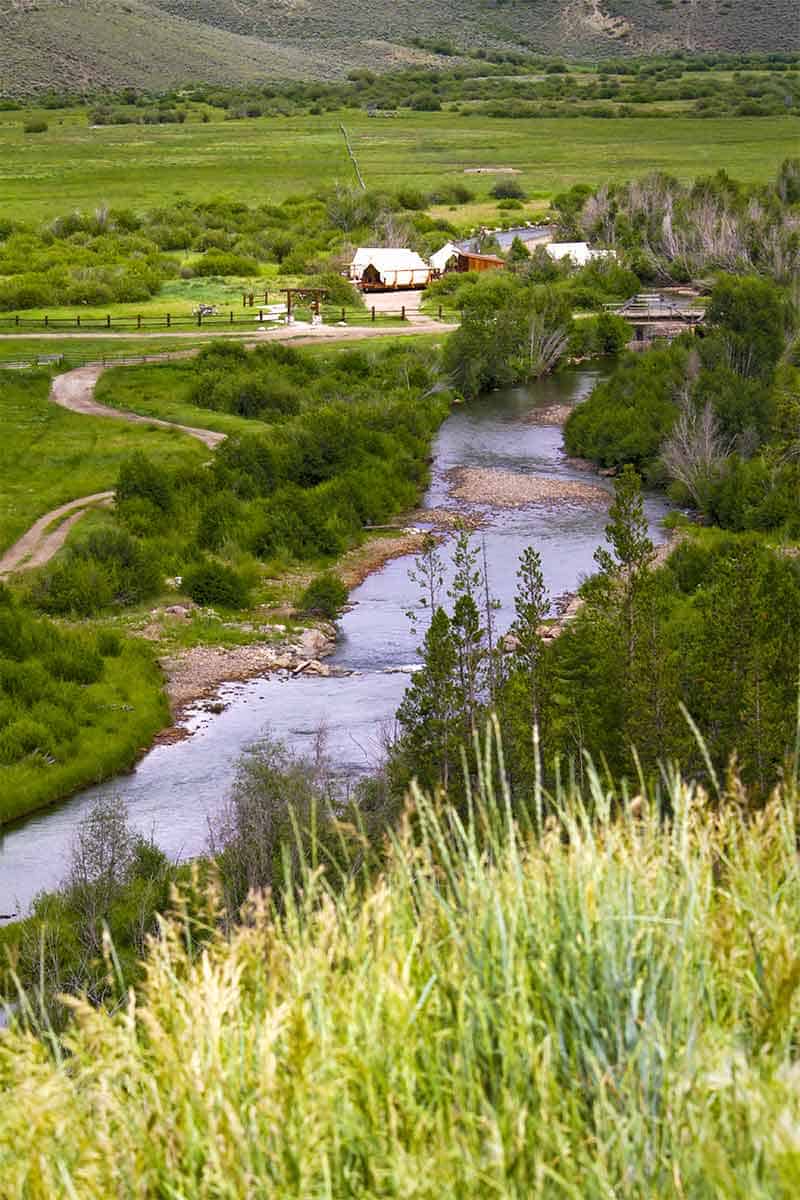
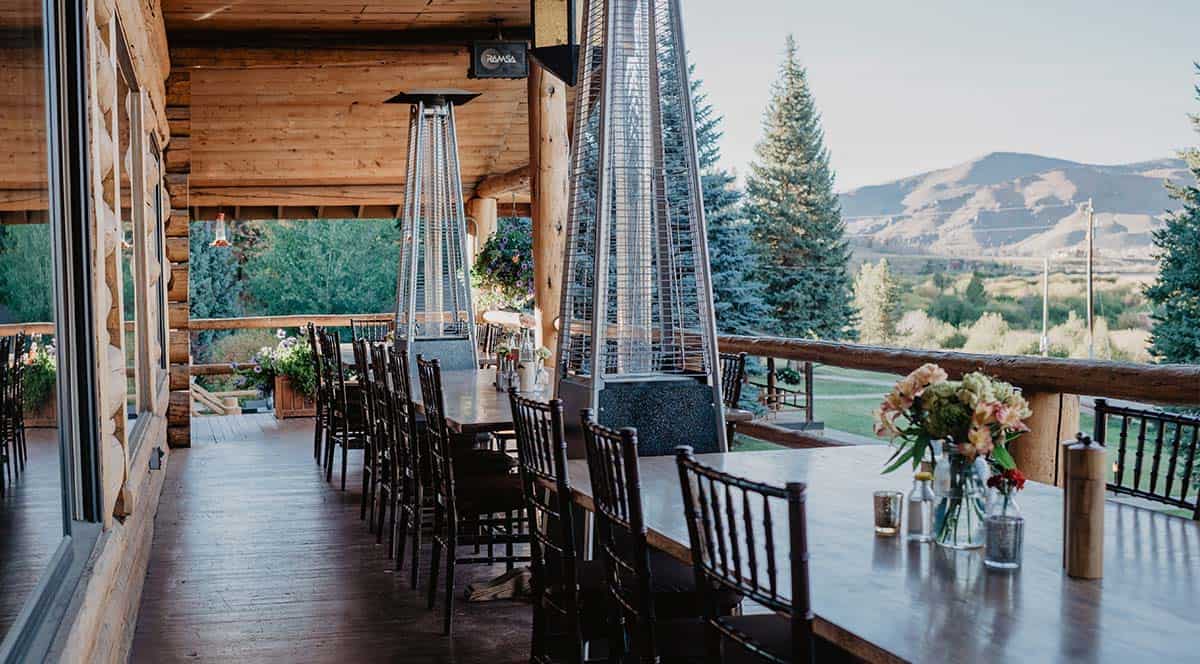
No matter the season, you can learn to ride a horse like a pro, drive cattle over the pasture, catch a monster trout, shoot like a gunslinger, and explore 8,500 acres of authentic, preserved Western countryside. Experience farm-fresh fine dining, romance by firelight, and a level of relaxation that’s only possible with country living.
While many old west myths can be debunked, there’s one fact that stands strong: C Lazy U Ranch is one of the best all-inclusive getaways in the West. Our luxury resort and working dude ranch offers a blend of outdoor adventure, relaxation, and luxury accommodations. From horseback riding and fly fishing to spa days and farm-fresh gourmet dining, C Lazy U Ranch brings the spirit of the West to life, combining both the authenticity and the romance.

Frequently Asked Questions About the Old West
Q: How long did the Wild West era actually last?
The Wild West era lasted approximately 30 years, from the end of the Civil War in 1865 to the closing of the frontier in 1890. By the turn of the century, most of the West was well-established with towns, railroads, schools, and law enforcement maintaining order. The brief but dramatic period was immortalized by dime novels and silent films, turning three decades into a legend that’s shaped American identity for over a century.
Q: What percentage of cowboys were Black or Hispanic?
About 25% of cowboys were African American following the Civil War, and roughly a third were Mexican vaqueros by the late 19th century. These vaqueros were the original cowboys who taught American ranch hands their roping, riding, and cattle-handling techniques. The West was far more diverse than Hollywood depicts, with cowboys from many backgrounds working together.
Q: Did cowboys really have gunfights in the street?
Gunfights were extremely rare. Most Western towns had strict gun control laws within city limits, requiring visitors to check their weapons upon entering town. The majority of cowboys were ranch hands who didn’t own firearms—guns were expensive, heavy, and impractical for their work with cattle. The dramatic shootouts we see in movies were mostly fiction created by sensationalized dime novels.
Q: What did real cowboys wear on their heads?
Real cowboys in the 1860s-1880s typically wore bowler hats, which were considered fashionable, or Civil War-era caps. Even famous outlaws like Butch Cassidy preferred bowler hats. John B. Stetson’s “Boss of the Plains” hat existed but looked very different from modern cowboy hats. The iconic Stetson style we recognize today gained popularity through Western films and rodeos in the 20th century, not from actual frontier fashion.
Experience the Real West at C Lazy U Ranch
Hollywood gave us memorable myths, but the real Western history is more complex, diverse, and fascinating than the legends. Understanding the truth behind these myths makes experiences at authentic places like C Lazy U even more meaningful—because you’re connecting with real traditions, not Hollywood fiction.
While many Old West legends have been debunked, one truth remains: the spirit of the West—adventure, connection to nature, authentic hospitality, and wide-open spaces—is alive and thriving at C Lazy U Ranch.
So, if you’re looking for an unforgettable experience where you can live the authentic West (minus the myths about lawlessness, uncomfortable fashion, and shootouts), contact us to reserve your stay out in the great American West!
The West is waiting for you. Are you ready to grab it by the horns?