Cowboy slang isn’t just fun to say — it’s a living piece of American history. These colorful phrases capture the humor, grit, and wisdom of frontier life, and many are still heard on working ranches today. Whether you’re planning a Colorado dude ranch vacation or simply want to expand your western vocabulary, this guide covers authentic cowboy sayings, their meanings, and how to use them like a real ranch hand.
The essentials: Cowboys greet each other with “howdy,” express excitement with “yee-haw,” and describe cowards as “yellow-bellied.” A “tenderfoot” is someone new to ranch life, while being “all hat and no cattle” means talking big without backing it up. These phrases — along with 50+ more — form the colorful language of the American West.
Understanding Cowboy Slang
Cowboy slang developed during the cattle drive era of the 1860s-1880s, when ranch hands needed quick, descriptive ways to communicate while working long hours in remote areas. The vocabulary blended Spanish from vaqueros (Mexican cowboys), poker terminology from camp entertainment, and practical needs of ranch life.
What makes cowboy slang special? It’s efficient, colorful, and often humorous — reflecting the character of the people who created it. Many phrases reference horses, cattle, weather, and survival because those were the realities of frontier life.
See Also: Horse Riding Terms for Beginners
Cowboy Greetings and Common Expressions
Let’s start with the basics you’ll hear around any authentic ranch.
Howdy
This is the classic cowboy greeting, short for “How do you do?” It’s quick, friendly, and universally understood across the West. Cowboys prefer efficiency, so “howdy” beats a lengthy “good morning, how are you today?” any day of the week.
“Howdy, partner! You ready for today’s trail ride?”
Fixin’ To
Getting ready to do something. This phrase is common throughout the American South and West, where dropping the “g” in “fixing” just feels natural.
“I’m fixin’ to saddle up and hit the trail before the afternoon heat sets in.”
Yee-Haw!
The ultimate expression of western enthusiasm. You probably know this one, but have you ever actually used it? Once you experience your first authentic ranch adventure, you’ll understand why it’s the perfect exclamation.
“Yee-haw! We made it to the summit!”
Tarnation
A non-profane exclamation of surprise or frustration. Perfect for keeping things family-friendly around the campfire.
“What in tarnation happened to all the firewood?”
Bellyaching
Complaining or whining about something. Ranch work was hard, and nobody had patience for constant complaints.
“Quit your bellyaching and enjoy the ride!”
Jawing
Talking excessively, usually in a friendly way around a campfire or during downtime.
“They spent all night jawing about the day’s ride and tomorrow’s fishing plans.”

Cowboy Slang About People
The Old West had colorful ways to describe different types of folks you’d meet on the frontier.
Yellow Belly (or Yellow-Bellied)
A coward — someone who lacks courage. someone who lacks courage or won’t stand their ground when challenged. The term has medieval origins but became widely popular in the Old West. Despite its negative connotation, it’s often used playfully today, like describing someone nervous before trying a new ranch activity for the first time.
“Before the zip line, he was nervous as a cat, but once he tried it, he couldn’t get enough!”
Tenderfoot / Greenhorn
Someone new to ranch life or inexperienced with western activities. “Tenderfoot” and “greenhorn” both describe someone completely new to the West, though “tenderfoot” originally referred to someone whose feet weren’t toughened by boots. If this is your first dude ranch vacation, congratulations — you’re officially a tenderfoot! But don’t worry, everyone starts somewhere, and the best horseback riding programs are designed with beginners in mind.
“She may be a tenderfoot, but you should see how quickly she’s learning to ride!”
Greenhorns are easy to spot by their brand-new boots and still-creased cowboy hats.
All Hat and No Cattle
Someone who looks the part but has no substance. They talk big about cowboy life but don’t have the experience, skills, or resources to back it up.
“He bought the whole western outfit but doesn’t know the first thing about horses—all hat and no cattle.”
Too Big for Their Britches
Someone who’s become arrogant or overconfident. Usually said about someone who’s had a little success and now acts like they’re better than everyone else.
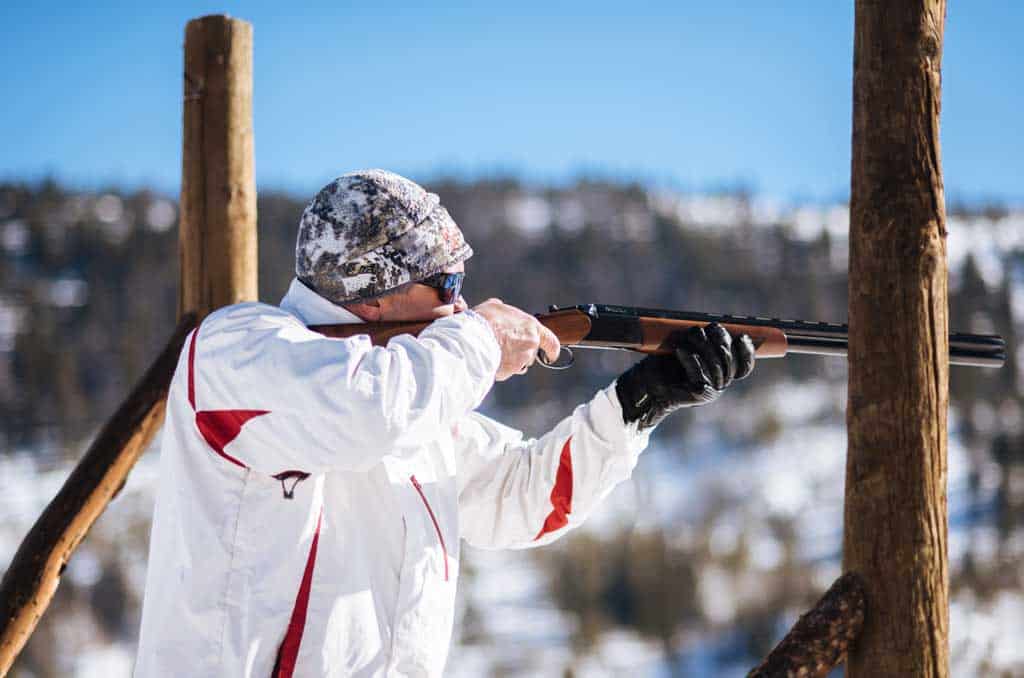
“After one good round of trap shooting, he got too big for his britches.”
Wobblin’ Jaw
A big talker. Someone who talks excessively. You know the type: they could talk the ears off a mule.
“Uncle Jim’s a wobblin’ jaw — great storyteller, but you might miss the sunset if you get him started!”
Horse and Ranch Life Terms
Since horses were essential to ranch work, cowboys had plenty of specialized vocabulary for everything equine-related.
Barn Sour
When a horse is so eager to return to the barn that they become difficult to ride away from it. It’s one of the most common challenges wranglers face, especially with horses at the end of a long trail ride.
“I was worried she’d be barn sour, but this mare loves exploring new trails!”
Varmint
The cowboy pronunciation of “vermin” usually refers to small or medium-sized pest animals like prairie dogs, skunks, or rats. Can also describe an unsavory character.
“Did you spot any varmints during your morning hike?”
Desert Canary
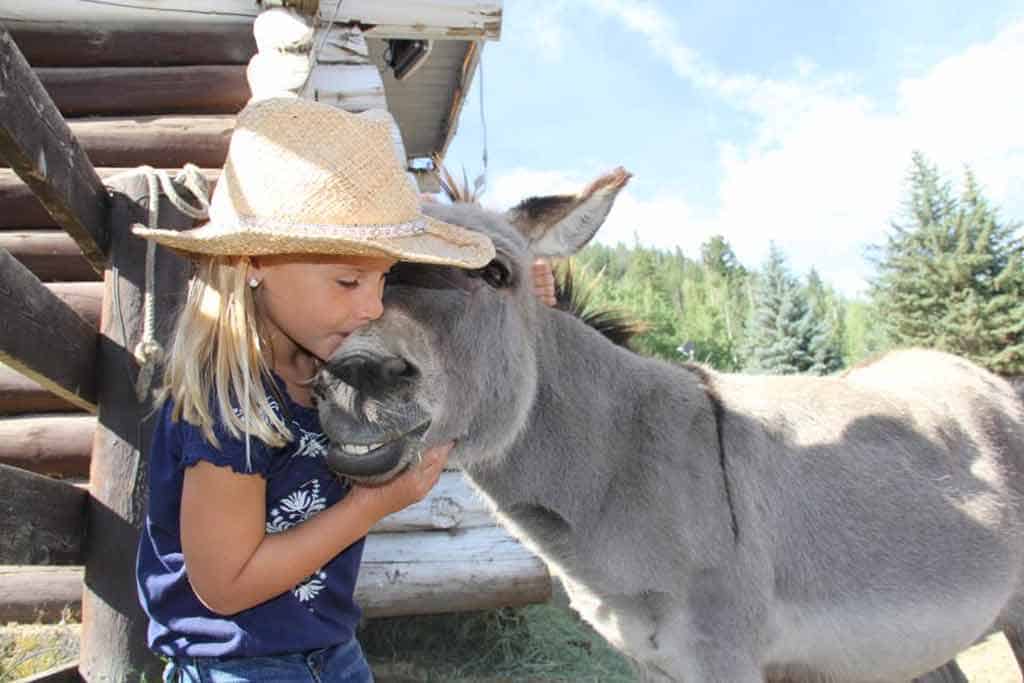
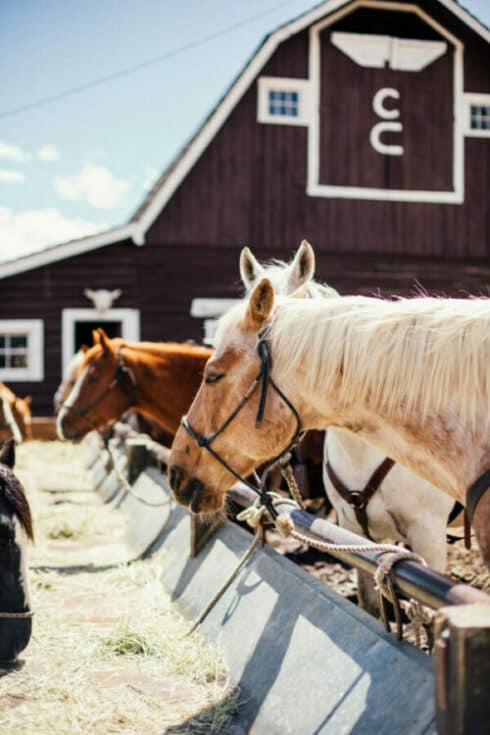
A playful nickname for a donkey, referencing their distinctive (and loud) braying sound. At C Lazy U, we have three beloved desert canaries: Tilly, Wilbur, and Petey who love meeting guests during ranch activities.
“The kids had a blast visiting the desert canaries this morning!”
Maverick
Originally, an unbranded calf. The term comes from Texas rancher Samuel Maverick, who famously didn’t brand his cattle. Today it means someone independent and unconventional.
Wrangler
A ranch hand who works specifically with horses—feeding, grooming, training, and handling them during trail rides and ranch activities.

Famous Western Sayings and What They Mean
Some cowboy phrases have become part of everyday American English, even if people don’t realize their western origins.
That Dog Won’t Hunt
An idea or plan that won’t work. It’s impractical, flawed, or doomed to fail from the start.
“Trying to teach a city kid to rope cattle in one afternoon? That dog won’t hunt.”
Above Board
Something honest, legitimate, and trustworthy. This phrase originated from card games, where keeping your hands above the board (table) prevented cheating.
“The poker tournament was completely above board — no cheating allowed.”
Ace-High
Fine, luxurious, or respectable. Borrowed from poker terminology, where ace-high hands are valuable.
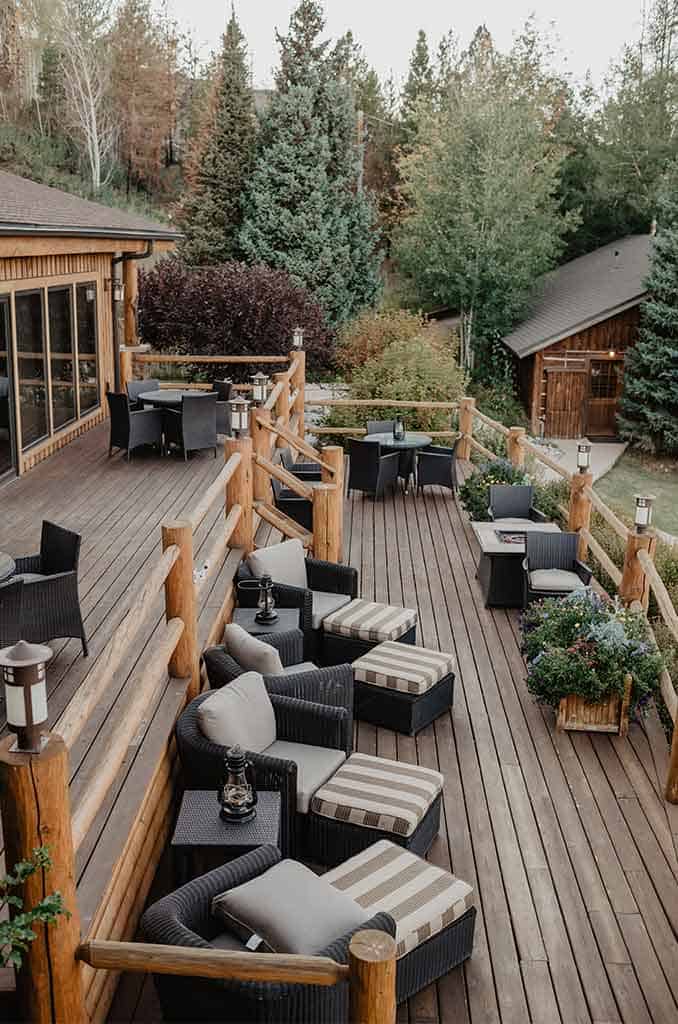
“This ranch lodging is ace-high — comfortable beds and stunning mountain views.”
Too Much Mustard
A braggart — someone who boasts excessively about their accomplishments.
“Jake won’t stop bragging about that one good shot — talk about too much mustard!”
Rode Hard and Put Away Wet
Looking exhausted or worn out. This refers to the improper care of a horse. Riding it hard and then putting it in the barn without properly cooling it down and drying off the sweat.
“After that full day of activities, I feel rode hard and put away wet!”
How to Talk Like a Cowboy
Want to sound authentic during your ranch vacation? Here’s what you need to know about cowboy speech patterns.
Drop your G’s. Cowboys say “goin’,” “comin’,” “fixin’,” “nothin’,” and “somethin'” instead of the full words. It’s not lazy—it’s efficient.
Keep greetings short. Say “mornin'” instead of “good morning,” and respond with “yep” or “nope” rather than “yes” or “no.”
Use regional vocabulary. Incorporate words like “reckon” (think or suppose), “ain’t” (isn’t), and “y’all” (you all) naturally into your speech.
Master the howdy. This single word can replace “hello,” “hi,” “good morning,” and “how are you” in most situations.
Reference ranch life. Even in casual conversation, cowboys naturally mention horses, weather, cattle, and the work that needs doing.
The key is authenticity. Don’t force it. Let the language come naturally as you spend time around real cowboys and immerse yourself in ranch culture.
More Essential Cowboy Words and Phrases
Here are additional terms you’ll want in your western vocabulary:
Airin’ the Lungs – Cursing or using profanity. “No airin’ the lungs around here. Keep it family-friendly!”
Rustler – A cattle thief. Rustling was a serious crime in the Old West, often punishable by hanging.
Dogie – A motherless calf (pronounced “doh-gee”). These calves required extra care and attention from ranch hands.
Loco – Crazy or insane. Borrowed directly from Spanish, where it means the same thing.
Skedaddle – To leave quickly or run away. “We better skedaddle before the storm hits.”
Hightail It – To hurry or move quickly, often to escape danger.
Galoot – A foolish or clumsy person. Not particularly insulting, more playfully teasing.
Ornery – Bad-tempered, stubborn, or difficult to deal with. “That horse is feeling ornery today.”
Sidewinder – A sneaky, untrustworthy person. Named after the sidewinder rattlesnake’s deceptive movement pattern.
Tinhorn – Someone who pretends to have money or importance but doesn’t. A phony or fraud.
Dude – Originally an easterner unfamiliar with the West (which is where “dude ranch” comes from). Now it just means “guy.”
Buckaroo – Another word for cowboy, derived from the Spanish “vaquero.” More commonly used in the Great Basin region (Nevada, California, Oregon, Idaho).

Common Horse Commands Cowboys Use
If you’re wondering what you’ll hear during trail rides, here are the most common expressions:
“Giddy-up!” or “Git up!” – Commands to make a horse move forward or go faster.
“Whoa!” – The universal command to stop. Every horse knows this one.
“Easy now” – Used to calm a nervous or excited horse.
“Come on, partner” – Gentle encouragement when a horse is hesitant.
“Good boy/girl” – Praise for a horse that’s behaving well.
At most guest ranches, wranglers will teach you all the commands you need to communicate effectively with your horse, even if you’re a complete beginner.
Old Western Sayings That Still Ring True
These classic cowboy proverbs contain genuine wisdom:
“Never approach a bull from the front, a horse from the rear, or a fool from any direction.”
Practical safety advice with a humorous twist.
“Speak your mind, but ride a fast horse.”
Say what needs saying, but be prepared for consequences.
“Always drink upstream from the herd.”
Take care of yourself; don’t accept what’s already been used or contaminated.
“Never miss a good chance to shut up.”
Sometimes silence is the wisest choice.
“The only good reason to ride a bull is to meet a nurse.”
Acknowledging that some activities are just plain dangerous.
Common Questions About Cowboy Slang
How do cowboys greet each other?
Cowboys use several casual greetings depending on the time of day and situation: “howdy” (universal greeting), “mornin'” (before noon), “hey partner” (friendly acknowledgment), or simply a nod and tip of the hat. Elaborate greetings weren’t practical during long work days, so western culture favors brief, genuine acknowledgments over formal exchanges.
What’s the difference between cowboy slang and cowboy lingo?
Slang refers to informal, colorful expressions used in casual conversation (like “all hat and no cattle” or “yee-haw”). Lingo includes the technical terminology for ranch work, horse equipment, and cattle handling. Both are part of authentic western culture.
Is cowboy slang still used today?
Absolutely! Working ranches, rodeo communities, and western states continue using many of these expressions. Dude ranches keep the traditions alive by sharing authentic cowboy culture with guests from around the world.
Experience the Language of the West at C Lazy U Ranch
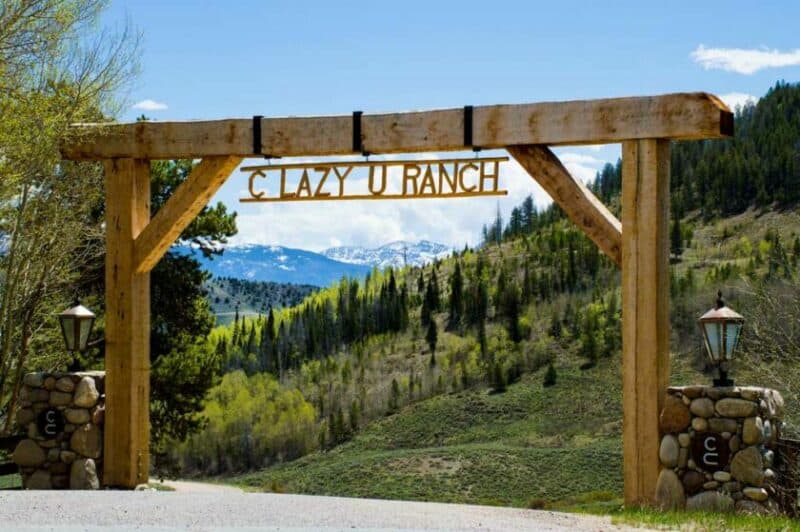
Now that you know how to talk the talk, it’s time to walk the walk. At C Lazy U Ranch in Colorado, you’ll experience authentic cowboy culture firsthand:
- Learn western skills from real wranglers who live the lifestyle
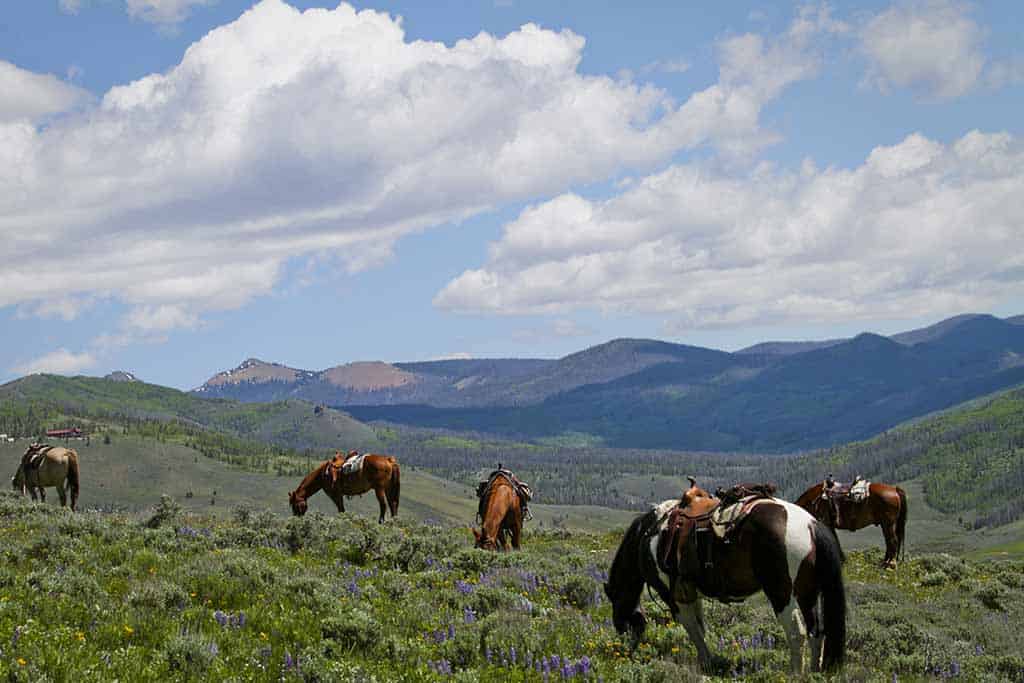
- Ride horses through stunning wilderness trails with daily horseback riding
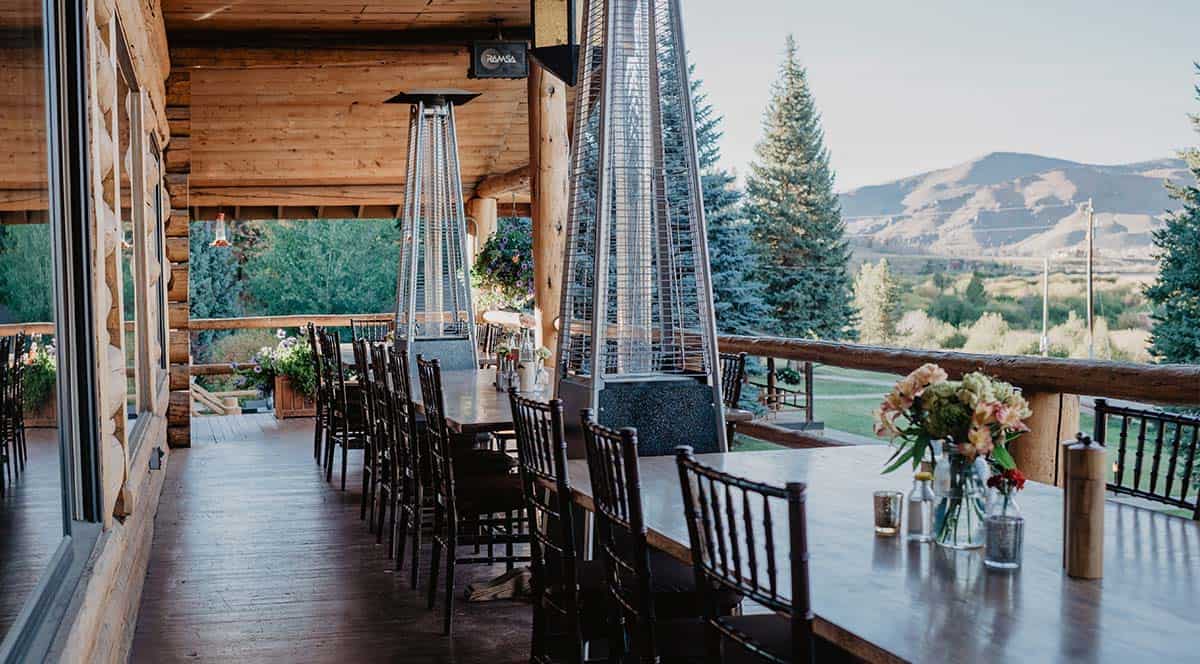
- Choose from luxury cabin accommodations with genuine western charm
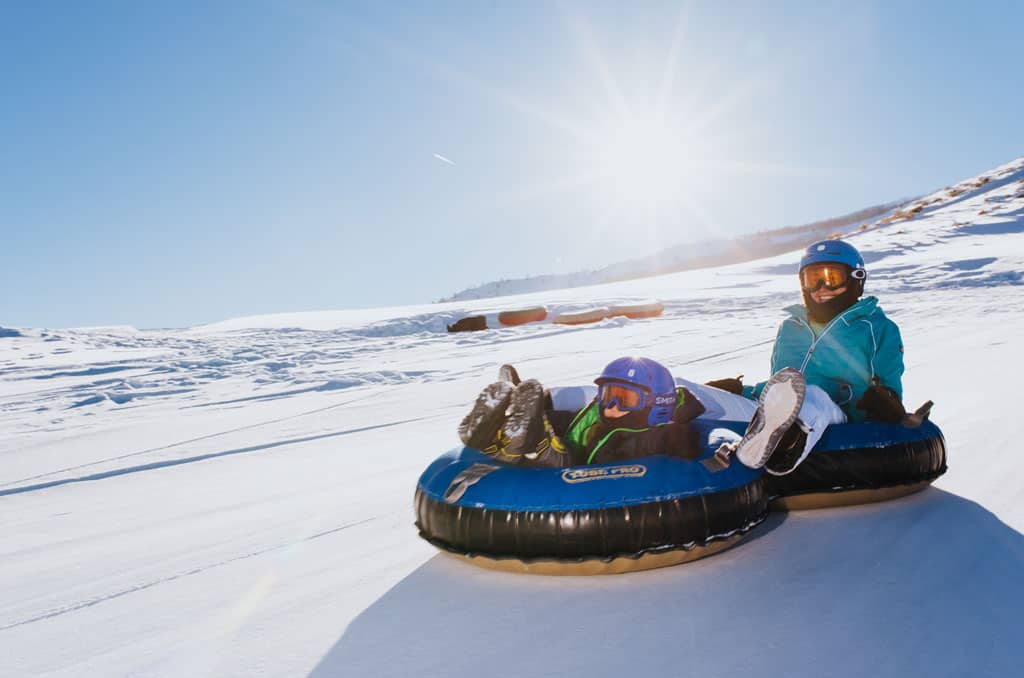
- Enjoy year-round ranch activities for the whole family
- Take advantage of seasonal specials for your vacation
Whether you’re a tenderfoot or an experienced rider, our guest ranch welcomes everyone who wants to experience genuine cowboy hospitality. And by the end of your stay, you’ll be using these phrases like you were born in a saddle.
Ready to say “yee-haw” on your next family vacation? Book your stay at C Lazy U Ranch and discover why our guests keep coming back for more.